The Hidden Cost of Friction in Guest Communication
In hospitality, communication isn’t a side task — it’s the heartbeat of the entire guest experience. Every message, every reply, every delay shapes how guests perceive care…
Eliav Rotholz
vGuest
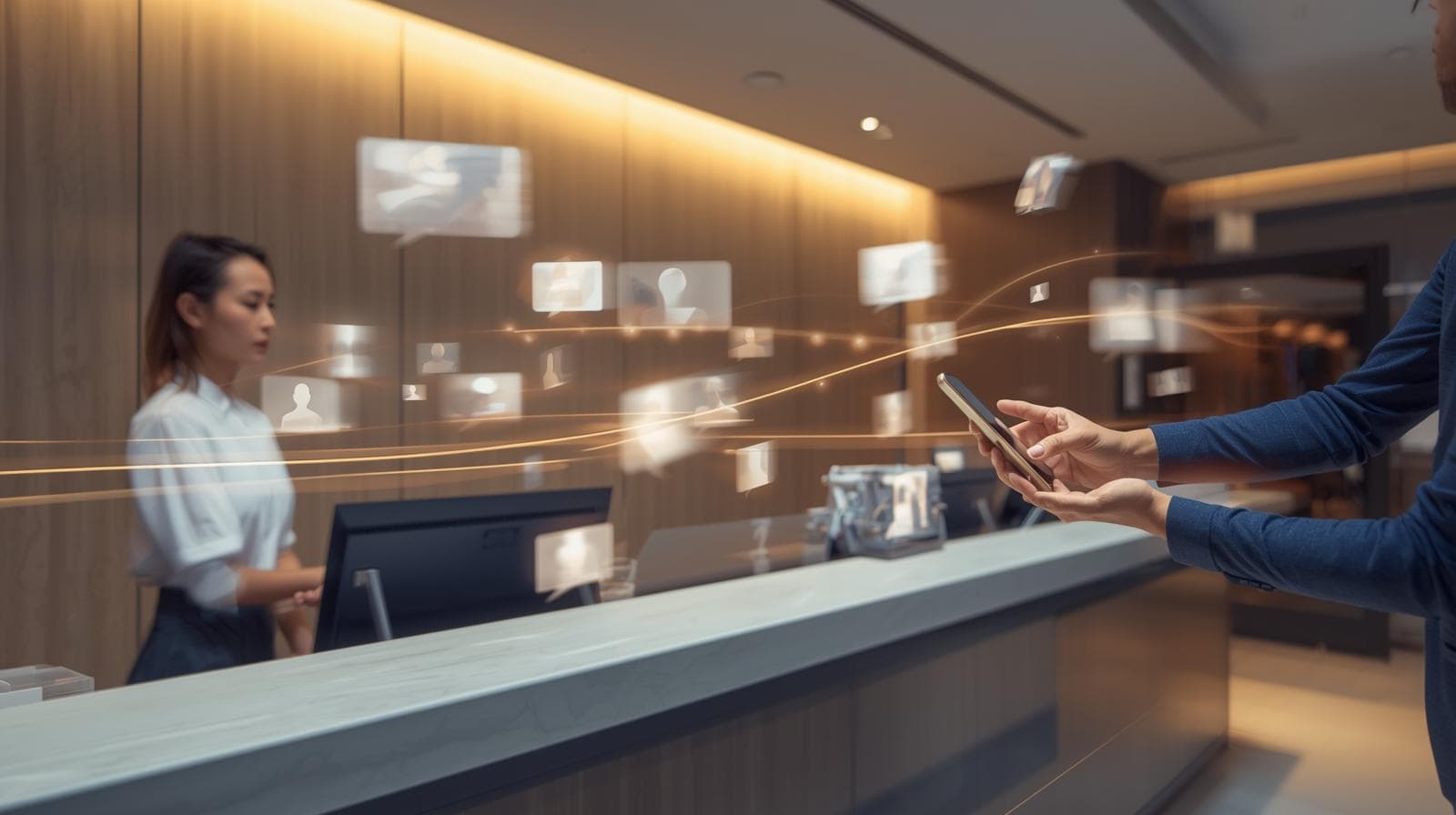
Every second of delay costs more than you think
In hospitality, communication isn’t a side task — it’s the heartbeat of the entire guest experience.
Every message, every reply, every delay shapes how guests perceive care, competence, and connection.
When a traveler reaches out, they’re not just asking for information — they’re silently measuring how much you value their time.
That’s what makes friction so dangerous. A slow reply, a missed message, or a handover gap between teams may look small on paper, but in practice, it erodes trust, satisfaction, and revenue one second at a time.
Today, as hotels operate with leaner teams and higher guest expectations, every second of response time directly impacts conversion and loyalty. The best hotels know this — and design communication as deliberately as they design their rooms.
Friction Has a Price Tag
Let’s start with the numbers.
A delayed response doesn’t just risk frustration; it directly reduces revenue potential.
Guests who wait more than ten minutes for a reply are up to 60% less likely to purchase an add-on, upgrade, or late check-out. The reason is simple: momentum fades. When attention drifts, intent follows.
That same friction compounds across hundreds of conversations each month. A single unanswered question might mean a missed upsell today, and a lost repeat booking six months later.
Friction rarely makes noise — it leaks profit quietly.
And when communication feels slow or fragmented, the guest doesn’t blame the system. They blame the brand.
Where Friction Hides
Friction in guest communication rarely comes from one big failure.
It hides in the micro-gaps between tools, teams, and moments of care.
- Messages bounce between reception, housekeeping, and F&B without context.
- Chat systems don’t sync with the PMS, leaving staff searching for reservation details.
- Guests message on WhatsApp, while the hotel’s main inbox lives somewhere else.
- A staff member logs out for lunch — and no one sees the pending request.
Each of these moments adds seconds. Seconds become minutes. Minutes turn into missed opportunities.
By the time a reply goes out, the guest may already be on another app, booking a restaurant outside the hotel.
This is how small inefficiencies turn into large revenue gaps — not from lack of effort, but from lack of design.
The Fix: Clarity, Connection, and Context
Reducing communication friction isn’t about flooding your team with automation.
It’s about designing a frictionless flow — a system where every message lands in the right place, instantly, with context preserved.
AI can help route messages, detect urgency or sentiment, and summarize guest history in real time.
But the real breakthrough comes when technology and teamwork align.
When the entire hotel — from reception to housekeeping — sees the same conversation thread, the same guest profile, and the same history, everything changes:
- No tab switching.
- No repeated questions.
- No “who replied last?” confusion.
That’s when automation stops feeling robotic and starts feeling human.
Because context creates care. And clarity creates speed.
Empowering Teams Through Visibility
Behind every quick response is a confident employee.
When staff members have access to unified communication tools, they spend less time tracking down answers and more time delivering them.
A shared inbox or connected CRM doesn’t just centralize messages — it empowers teams to act.
They can see guest preferences, understand previous interactions, and personalize replies in seconds.
This isn’t just operational efficiency. It’s emotional efficiency — removing the friction that tires staff and frustrates guests.
The Real ROI of Seamless Communication
Hotels often measure performance through occupancy, RevPAR, and satisfaction scores.
But beneath those metrics lies a subtler, more powerful indicator: the speed and smoothness of guest interaction.
Every second saved is a signal of care.
Every instant reply reinforces reliability.
And every frictionless exchange builds long-term trust.
When communication flows naturally, guests feel valued.
Staff feel capable.
And the brand feels alive — consistent, responsive, and human.
The hidden cost of friction isn’t just lost time.
It’s the lost chance to turn a simple message into a moment of loyalty.
Common questions
How much does a slow reply actually cost a hotel?
Guests who wait more than ten minutes for a reply are up to 60% less likely to buy an add-on, an upgrade or a late check-out. Momentum fades: when attention drifts, intent follows. Across hundreds of conversations a month that compounds into a real revenue gap.
Where does communication friction usually hide?
In the micro-gaps between tools, teams and shifts rather than in one big failure. Messages bouncing between reception, housekeeping and F&B without context; chat systems that do not sync with the PMS; guests messaging on WhatsApp while the hotel inbox lives elsewhere; a staff member logging out for lunch with a request still pending.
Do guests blame the system or the hotel when communication is slow?
The brand. When communication feels slow or fragmented the guest does not distinguish between your tools and your team - they experience it as the hotel not valuing their time.
Keep reading
All articles
Guest Experience
When Automation Goes Too Far: Keeping It Human in Hospitality
1 year ago · 1 min read

Guest Experience
The AI Protocol Shift: Why Your Hotel Messaging Must Become Machine-Readable
9 months ago · 8 min read

Guest Experience
Pre-Booking vs Full-Journey Assistants: Two Different Products Wearing the Same Name
3 weeks ago · 3 min read
190+ properties · 6 countries
See it answering your guests
Bring your own property. We will show you what the assistant does with your real questions, in your languages, on WhatsApp.